

Patio Covers San Diego: Design, Costs & Installation Guide
A well-designed patio cover can turn an exposed backyard into a comfortable outdoor living space you can enjoy throughout much of the year.
Whether you want protection from the afternoon sun, a covered outdoor dining area, a modern pergola, or a more complete backyard entertaining space, there are plenty of options for patio covers in San Diego.
The right design should complement your home, provide the amount of shade you want, and fit the way you actually use your backyard.
Create a More Comfortable Outdoor Living Space
San Diego’s climate makes outdoor living a natural extension of the home, but direct sun can make an uncovered patio uncomfortable during the hottest parts of the day.
A patio cover can help create a cooler, more usable space for:
Outdoor dining
Backyard entertaining
Comfortable seating areas
Outdoor kitchens and BBQ areas
Poolside shade
Relaxing outdoors
Protecting patio furniture from sun exposure
Depending on the design, a patio cover can feel like a simple shade structure or a true extension of your home’s living space.
Popular Patio Cover Styles
There isn’t one patio cover that works for every backyard. The best option depends on how much shade you want, your home’s architecture, your budget, and the look you’re trying to create.
Solid Patio Covers
A solid patio cover provides the most protection from direct sunlight and light rain.
These are a good choice for homeowners who want a fully shaded outdoor dining, seating, or entertaining area.
Solid covers can also incorporate features such as:
Recessed lighting
Ceiling fans
Outdoor heaters
Speakers
Integrated gutters
Decorative columns
Because a solid roof blocks more sunlight, placement and roof design should be planned carefully so the patio cover doesn’t make adjoining rooms feel unnecessarily dark.
Lattice Patio Covers
Lattice covers create partial shade while still allowing sunlight and airflow through the structure.
They work especially well when you want to soften direct sunlight without completely covering the patio.
Lattice designs can create a relaxed Southern California look and pair well with landscaping, outdoor seating, and garden areas.
Insulated Patio Covers
An insulated roof system provides a finished ceiling appearance while helping reduce heat transfer through the roof.
These covers are often chosen for larger outdoor living areas where homeowners want the patio to feel more like an outdoor room.
Lighting, fans, and other features can often be incorporated into the ceiling for a cleaner finished appearance.
Pergolas & Louvered Patio Covers
Pergolas provide shade while maintaining an open-air feel.
Traditional pergolas use fixed beams or slats, while modern louvered pergolas use adjustable roof panels that can open for sunlight and close for additional shade or weather protection.
Motorized louvered systems are generally more expensive, but they offer significantly more control over the outdoor environment.
Aluminum & Alumawood Patio Covers
Aluminum patio covers in San Diego are popular because they provide shade without the maintenance requirements associated with traditional wood.
Wood-look aluminum products, commonly referred to as Alumawood-style patio covers, can provide the appearance of painted or textured wood while resisting common concerns such as rot, termites, and frequent repainting.
Benefits can include:
Low maintenance
Long-term durability
Multiple colors and finishes
Solid and lattice configurations
Wood-grain appearance
Resistance to termites and rot
For homeowners who like the appearance of wood but want less maintenance, aluminum can be an attractive option.
Wood Patio Covers
Wood remains a popular choice when a homeowner wants a traditional, natural, or custom architectural appearance.
Wood patio covers can be stained or painted and designed around the existing style of the home.
They can work especially well with:
Craftsman homes
Spanish-style architecture
Rustic outdoor spaces
Traditional homes
Custom backyard designs
Wood generally requires more ongoing maintenance than aluminum, including periodic painting, staining, sealing, and inspection for moisture or termite damage.
Attached vs. Freestanding Patio Covers
Another important decision is whether the structure should connect directly to the home.
Attached Patio Cover
An attached cover can create a natural transition from the interior of the home into the backyard.
This is especially effective outside:
Kitchens
Living rooms
Sliding or folding doors
Primary bedrooms
Outdoor dining areas
The roofline, attachment method, drainage, and relationship with existing windows and doors should all be considered during planning.
Freestanding Patio Cover
A freestanding structure can be positioned elsewhere in the yard without connecting directly to the house.
This can work well over:
Poolside lounges
Outdoor kitchens
Fire pit areas
Garden seating
Large backyards
Detached entertaining areas
Freestanding covers also give homeowners more flexibility when creating separate outdoor zones.
How Much Do Patio Covers Cost in San Diego?
The cost of patio cover installation in San Diego can vary considerably depending on size, material, roof style, structural requirements, site access, electrical work, and upgrades.
For general planning, recent San Diego contractor-published pricing shows simpler aluminum patio covers beginning around the $8,000–$14,000 range, while insulated systems commonly fall around $15,000–$35,000. Larger custom structures, extensive electrical upgrades, architectural features, and motorized louvered systems can cost considerably more.
Your project could fall above or below those ranges.
Features that can increase the budget include:
Larger structures
Insulated roofing
Motorized louvers
Custom columns
Structural engineering
Difficult site access
Concrete or foundation work
Electrical wiring
Recessed lighting
Ceiling fans
Outdoor heaters
Gutters and drainage
Custom colors or finishes
The best way to establish a realistic budget is to compare your desired design with the actual conditions of your property.
Do You Need a Permit for a Patio Cover in San Diego?
Permit requirements depend on the size, location, design, and property.
According to the City of San Diego’s current patio-cover guidance, qualifying patio covers with 300 square feet or less of projected roof area may be exempt from a building permit for certain single-family and duplex properties.
However, a building permit may still be required when conditions such as setbacks, Coastal Zone regulations, environmentally sensitive lands, historic properties, or certain planned development requirements apply. Separate permits may also be required for electrical, mechanical, or plumbing work.
Because requirements can vary by property and jurisdiction, verify current regulations before beginning construction.
For more information, see our San Diego Permits & Planning Guide.
Planning Your Patio Cover
A great patio cover should look like it belongs with the home rather than something that was added as an afterthought.
Before choosing a design, consider:
How Much Shade Do You Want?
A solid cover provides significantly more shade than lattice or open-beam construction.
Where Does the Sun Hit Your Backyard?
The direction your patio faces can affect how useful different shade designs will be throughout the day.
How Will You Use the Space?
A dining area may need different lighting, clearance, and coverage than a poolside lounge or outdoor kitchen.
Should It Match Your Home?
Rooflines, columns, finishes, colors, and architectural details can help visually connect the patio structure with the existing house.
Will You Add Lighting or Fans?
Planning electrical features before construction can create a cleaner finished design than trying to add them later.
Patio Cover Ideas for San Diego Homes
A patio cover can be much more than a roof over a concrete slab.
Consider combining your cover with:
Outdoor kitchens
Built-in BBQ islands
Large-format pavers
Comfortable outdoor furniture
Fire features
Landscape lighting
Ceiling fans
Outdoor televisions
Privacy walls
Decorative planters
Pool and spa areas
Sliding or folding patio doors
Thinking about the entire outdoor space rather than just the structure can produce a backyard that feels much more intentional.
Make Your Backyard More Usable
The best patio cover isn’t necessarily the largest or most expensive.
It’s the one that makes your outdoor space more comfortable and gives you a reason to use the backyard more often.
Start with how you want the space to feel and function, then choose the materials, coverage, and features that make sense for your home and budget.
Patio Cover Design Ideas & Inspiration
There isn’t one “right” patio cover style.
Your backyard can feel clean and modern, warm and inviting, relaxed and coastal, or like a true outdoor extension of your home. Use these ideas as inspiration and combine the features you like to create an outdoor space that feels like your own.
Modern Solid Patio Cover
Clean • Comfortable • Architectural
A streamlined solid-roof patio cover with recessed lighting, comfortable seating, and modern finishes can create an outdoor room that feels connected to the home.
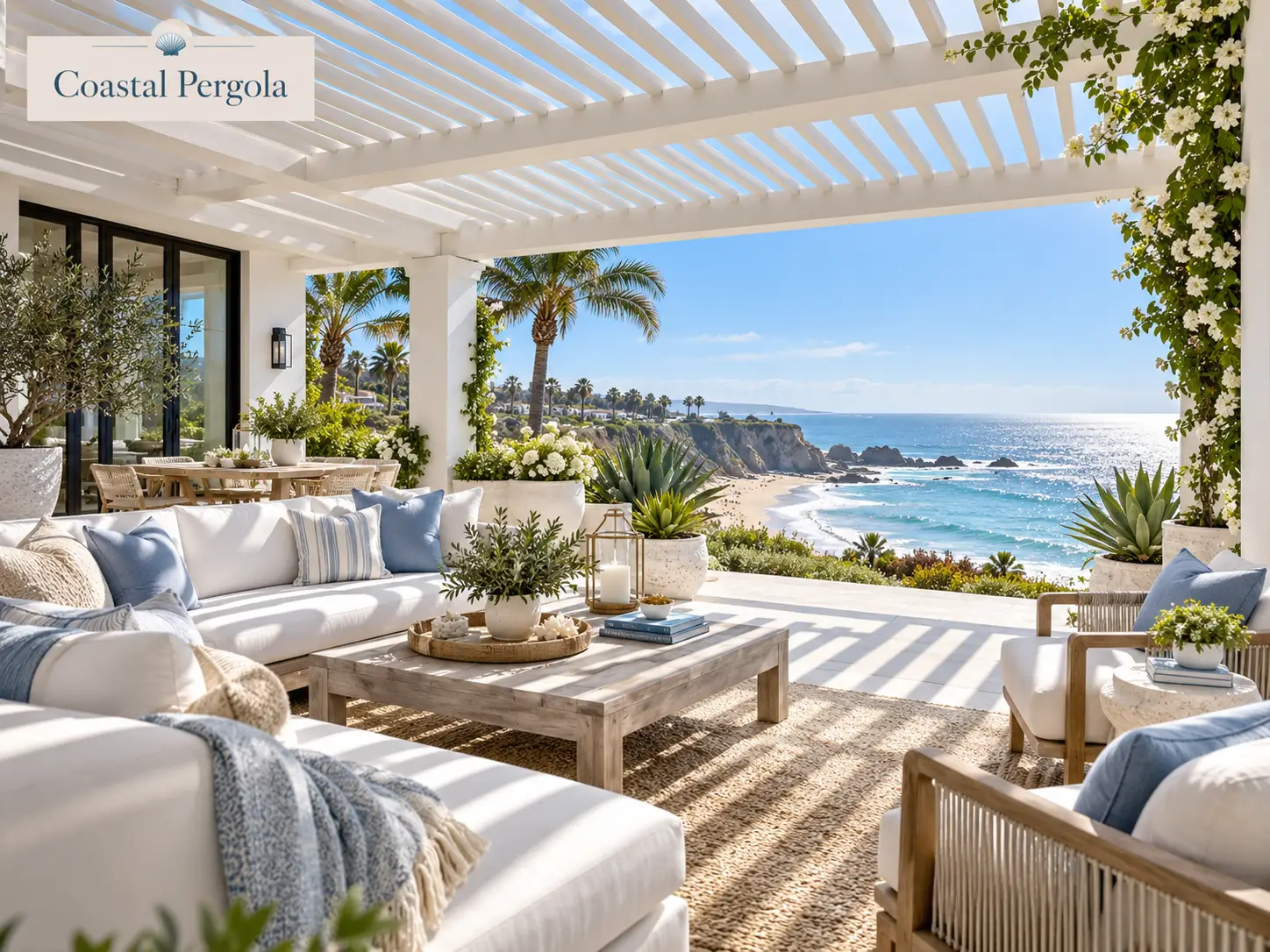
Coastal Lattice Patio
Bright • Airy • Relaxed
A light-colored lattice cover allows filtered sunlight into the space while creating the relaxed indoor-outdoor feel associated with Southern California living.
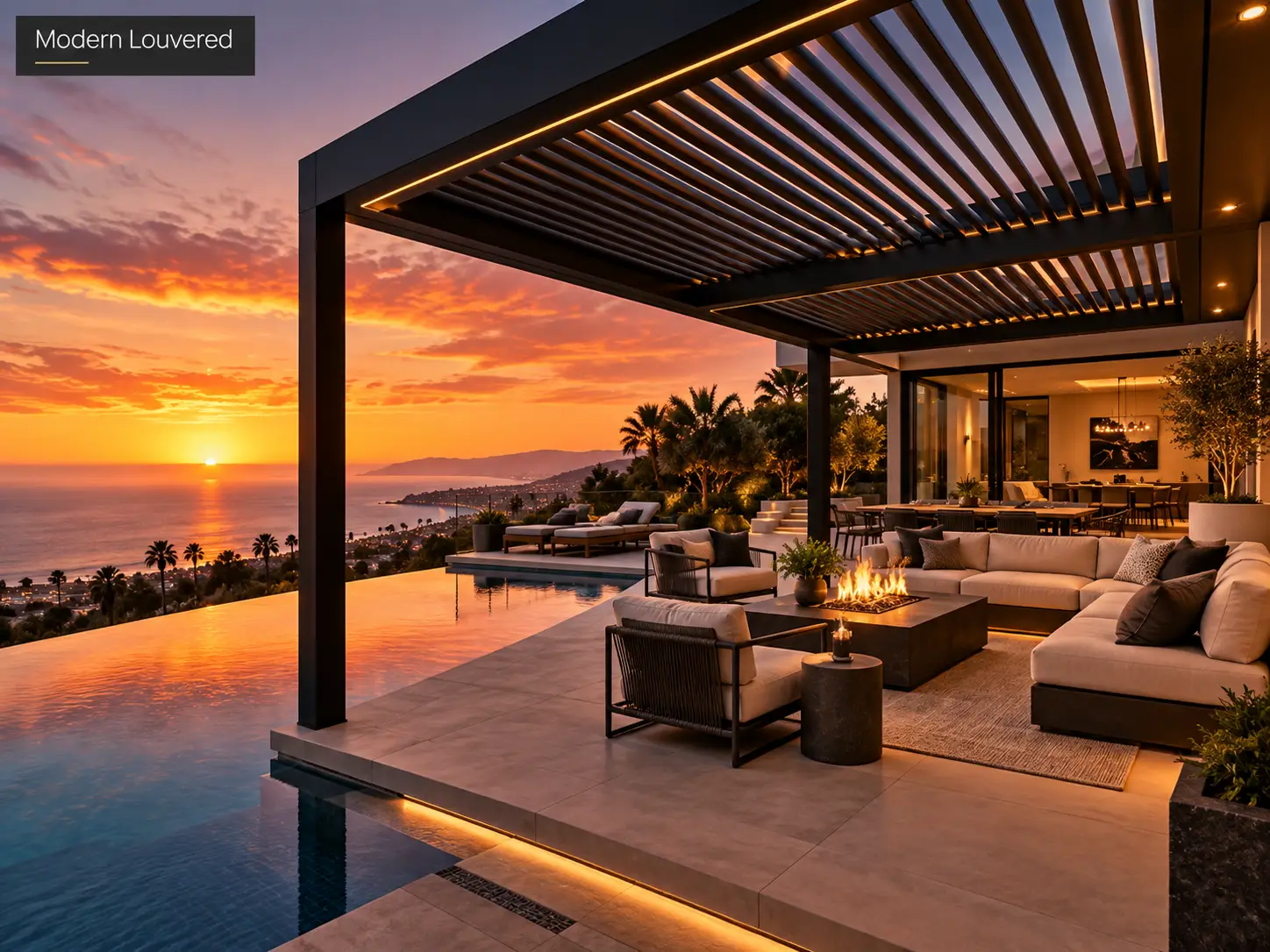
Luxury Louvered Pergola
Adjustable • Modern • Versatile
A modern aluminum pergola with adjustable louvers can provide open sky when you want sunlight and additional coverage when you want more shade.
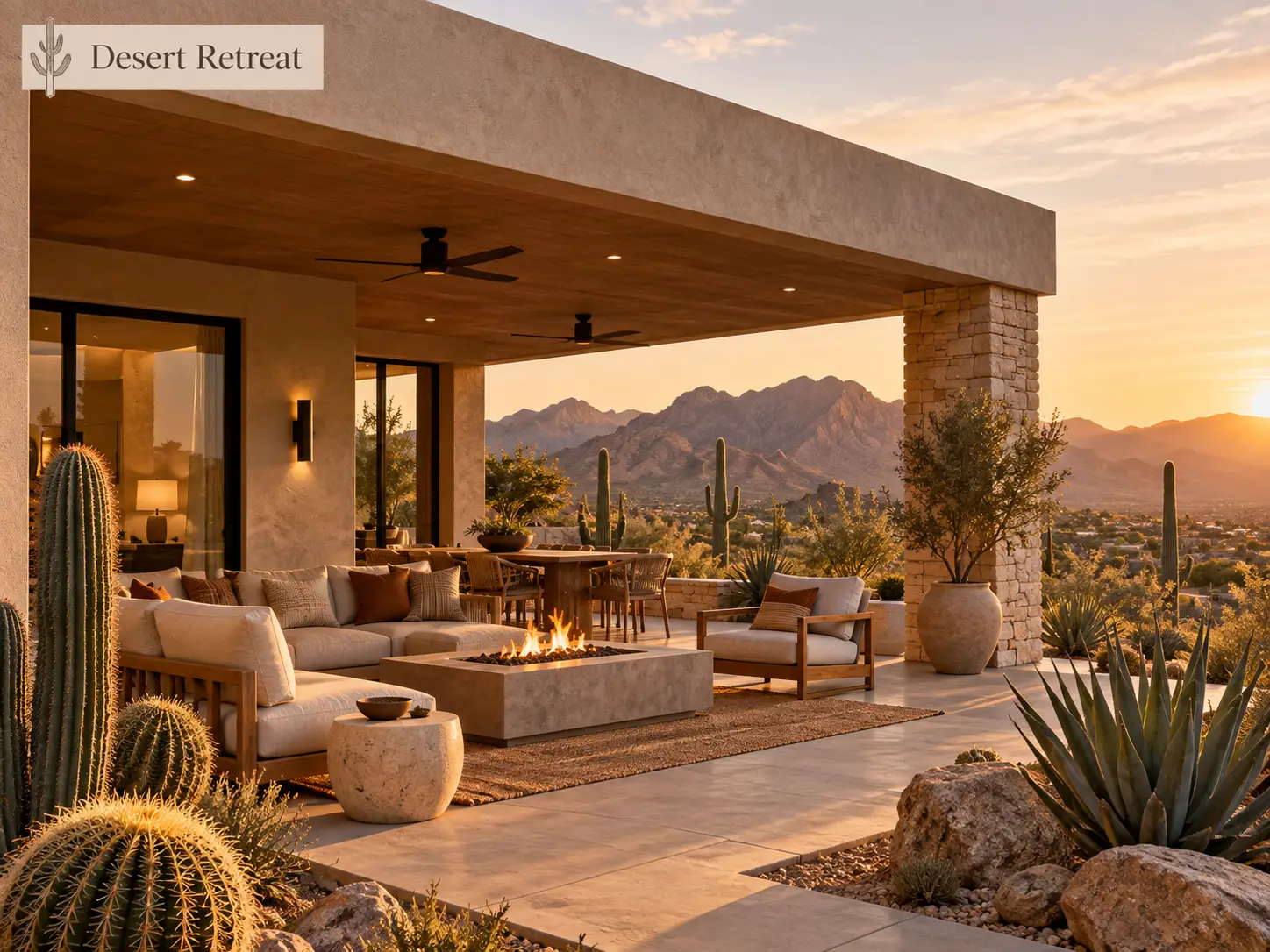
Warm Outdoor Entertaining Space
Inviting • Functional • Social
Combine a covered patio with an outdoor dining table, BBQ area, lighting, landscaping, and comfortable seating to create a backyard designed for entertaining.

Ready to Start Planning Your Patio Cover?
Thinking about patio covers in San Diego?
Get a free, no-obligation remodeling quote and explore patio-cover options that fit your backyard, your home, and your budget.
Get Your Free Patio Cover Quote →
Patio cover costs, permit requirements, structural requirements, product performance, timelines, and other project details can vary based on property conditions, materials, design, jurisdiction, and location. We work to keep our information current, but homeowners should verify current requirements and obtain project-specific estimates before beginning construction.