

Quick answer: Landscape estimates can vary widely because a planting refresh, a drainage correction, and a full backyard rebuild are different projects. Define the work first—demolition, grading, drainage, irrigation, planting, hardscape, lighting, structures, and access—then compare proposals based on the same written scope. A San Diego property’s slope, drainage, access, existing conditions, and material choices can materially change the final estimate.
Ask each landscaper to price the same plan. A bid for plants and mulch cannot be fairly compared with one that includes demolition, grading, irrigation, drainage, lighting, and a patio.
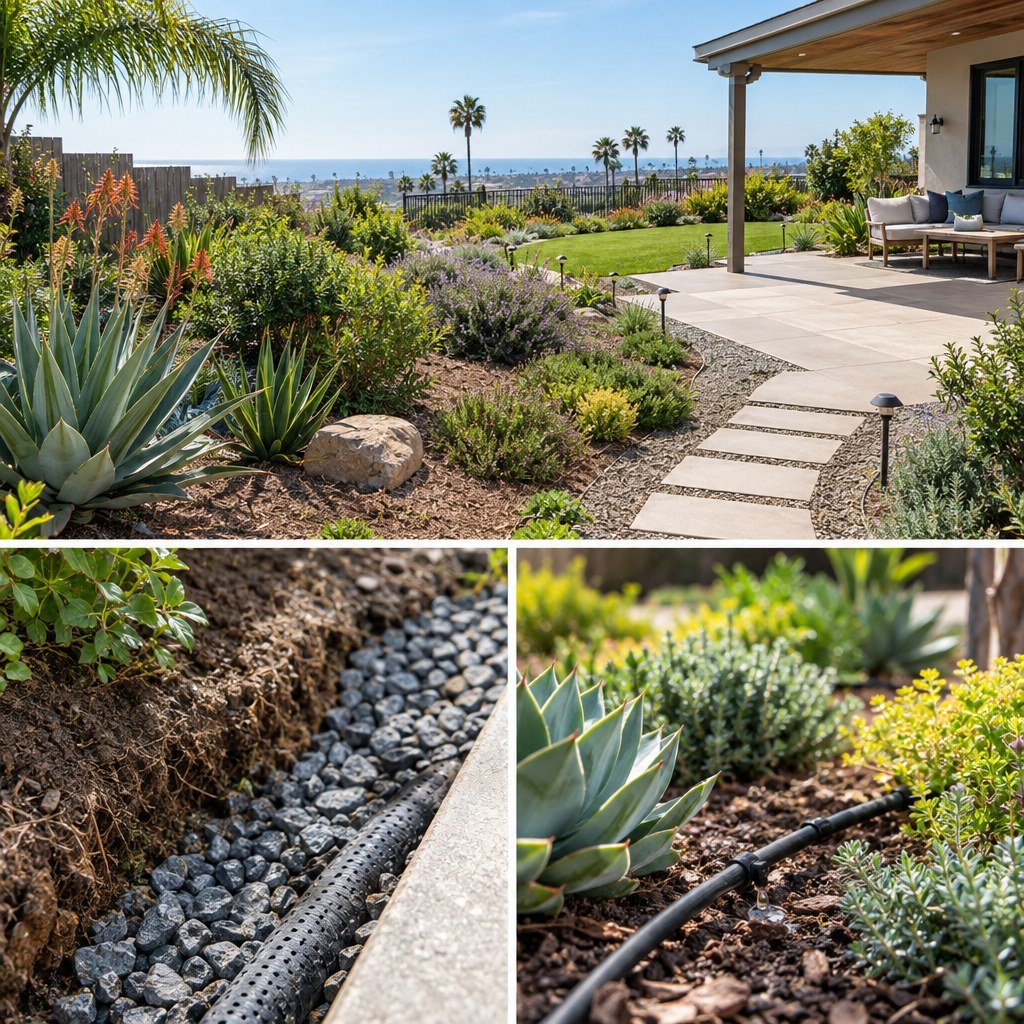
What your landscape budget should cover
| Line item | What to specify | Why it matters |
|---|---|---|
| Design and layout | Scaled plan, dimensions, plant schedule, and materials | Prevents different contractors from pricing different yards. |
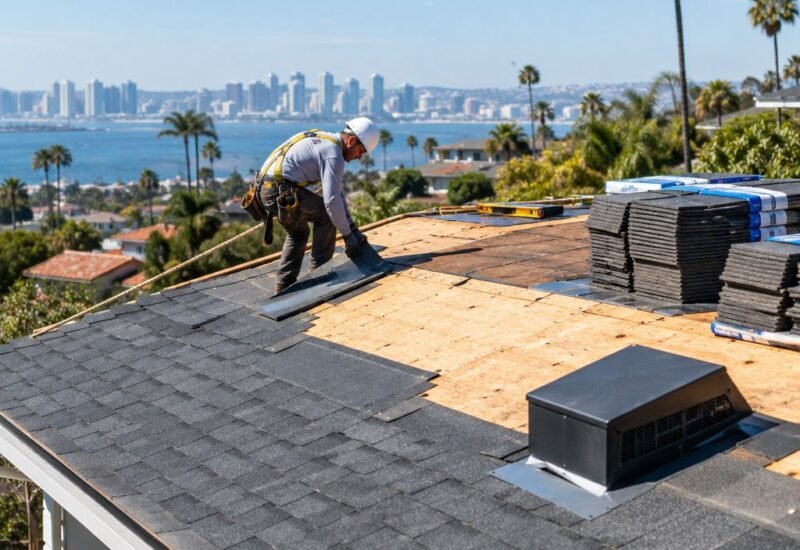
| Preparation | Removal, haul-away, soil work, grading, and protection | Hidden roots, old concrete, or difficult access can change labor. |
| Water management | Drainage route, grading, erosion control, and irrigation zones | Runoff and slope need a clear plan before new surfaces and planting go in. |
| Installation | Plant names and sizes, hardscape quantities, lights, and controls | Specific quantities and products make bids comparable. |
San Diego details worth deciding early
Walk the yard at different times of day and note full sun, shade, wind, and where water collects. Pick plants for the actual exposure and mature size, not just a “drought tolerant” label. Ask how irrigation will be zoned for plants with different water needs and whether the system will be tested and adjusted after planting.
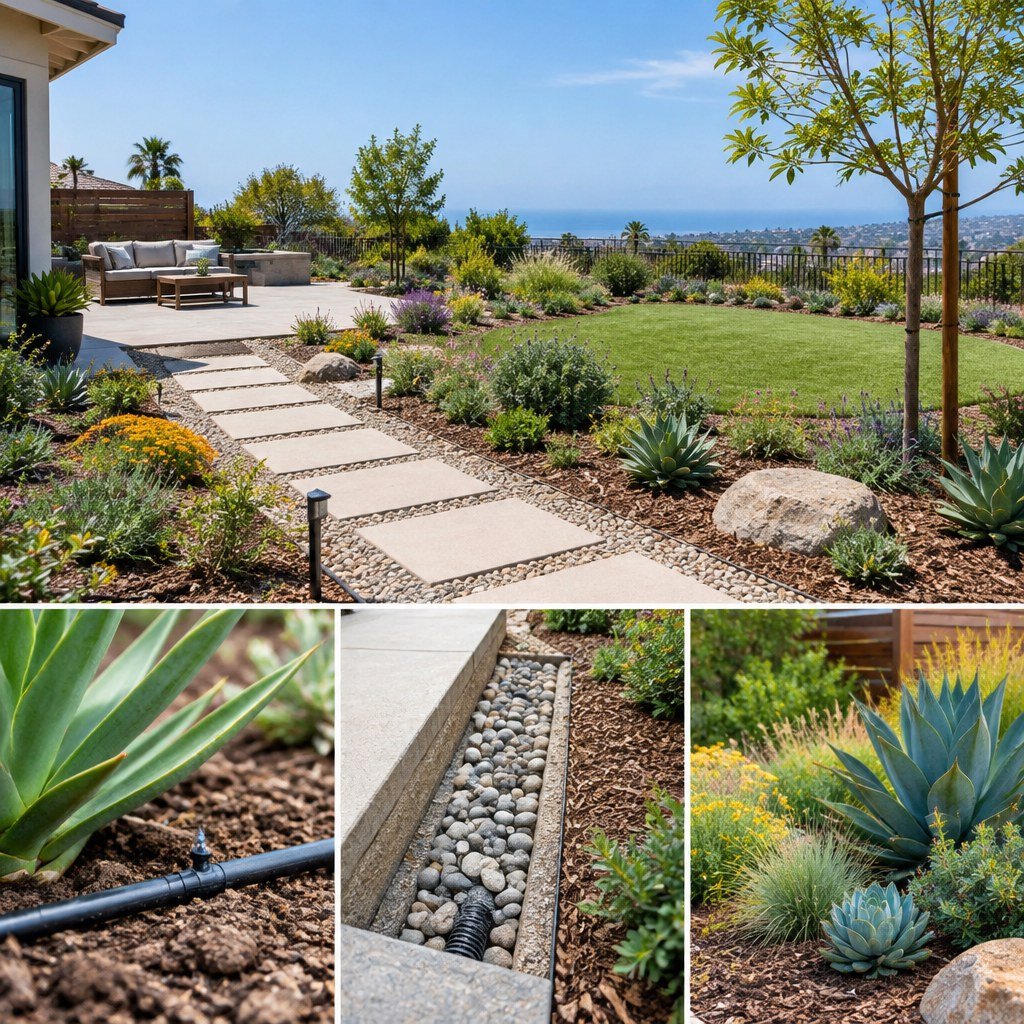
If you want a patio, wall, steps, or outdoor kitchen, define those first. Hardscape can require more grading and base preparation than planting, and it may affect drainage or local review. Confirm property lines and underground utilities before digging.
Compare landscape estimates apples to apples
- Share one plan, measurements, and photos with every bidder.
- List plant species, container size, quantity, and any approved substitutions.
- Specify irrigation components, controller, number of zones, testing, and walkthrough.
- Ask where runoff goes and how the proposal handles slope and erosion.
- Clarify demolition, disposal, access, cleanup, schedule, warranty, and change orders.

For a phased project, have the complete yard designed first. Install drainage and utility infrastructure before the visible finish work so you do not have to remove new planting or paving later.
Landscape estimate FAQs
What information helps a landscaper prepare an estimate?
Share rough dimensions, photos, access points, drainage concerns, sun exposure, and the way you want to use the yard. A sketch showing planting, seating, paths, and hardscape helps each bidder price a comparable plan.
Should drainage be addressed before planting?
Yes. Decide where water should move before installing finish surfaces or plants. A drainage change can affect grading, irrigation, and neighboring areas, so have the proposed solution reviewed for the specific property.
Can I complete a landscape project in phases?
Phasing can spread spending over time, but plan the whole layout first. Installing drainage, sleeves, or utility runs before paving and planting can help avoid disturbing finished work later.
Schedule a Free Landscape Estimate Appointment
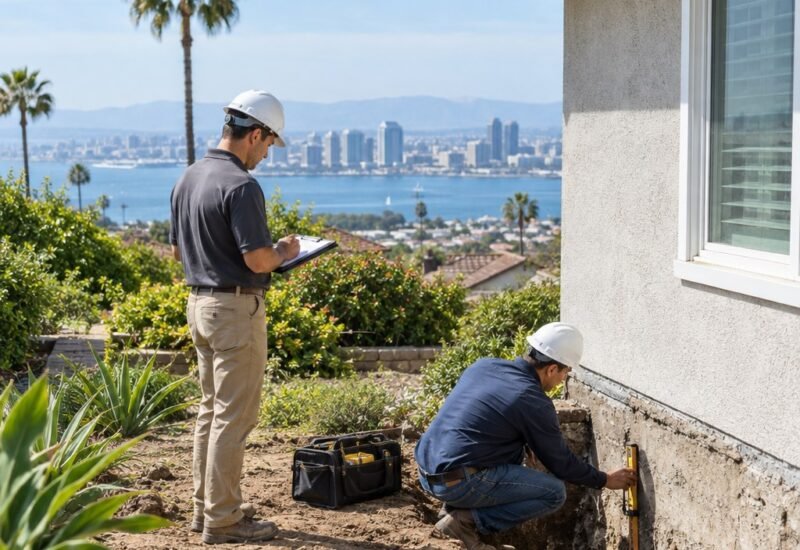
Schedule a free, no-obligation landscape estimate appointment so the yard, priorities, drainage, access, irrigation, hardscape, planting, and project scope can be reviewed. After the appointment, a written project-specific quote can be prepared with preparation, drainage, irrigation, installation, exclusions, and responsibilities clearly identified.

Discussion