
A new residential irrigation system in San Diego commonly needs a few thousand dollars of planning budget. For an average yard, a useful starting range is about $2,500–$8,000; larger or more complex projects can reach $8,000–$13,500 or more. These are broad planning ranges, not a fixed local price. The number of zones, trenching, access, controller, water-source condition, and restoration after installation all matter.

Quick answer: how much should I budget?
A small retrofit that adds or replaces a few irrigation zones is usually less involved than installing a new system across a bare or redesigned yard. Ask for the estimate to list the zones, valves, controller, heads or drip lines, trenching, backflow components, connection work, testing, and repair of disturbed areas. A total without those details is difficult to compare.
In this guide
- Planning cost ranges
- Drip, spray, or mixed system
- What changes installation cost
- Plan the zones before installation
- Rebates and water efficiency
- Compare estimates
- Common questions
What does irrigation installation cost in San Diego?
Current local and regional published cost information varies because “irrigation system” can mean a few new drip lines or a complete multi-zone installation. Use the ranges below as a first budget check, then get a site-specific estimate that defines the work.
| Project scope | Planning range | Typical work |
|---|---|---|
| Small retrofit or limited area | $1,000–$3,000 | Add or replace a small number of zones, valves, or drip lines where water supply and access are straightforward. |
| New system for a typical yard | $2,500–$8,000 | Multiple zones, controller, valves, drip or spray coverage, trenching, and testing. |
| Large or complex installation | $8,000–$13,500+ | More zones, difficult access, extensive trenching, multiple planting areas, controller upgrades, or substantial landscape restoration. |
These categories overlap. The proposal should say whether it includes water-line work, backflow prevention, controller programming, permit or inspection tasks if applicable, and any finish restoration.

Should I choose drip irrigation, sprinklers, or both?
| System | Best for | Planning considerations |
|---|---|---|
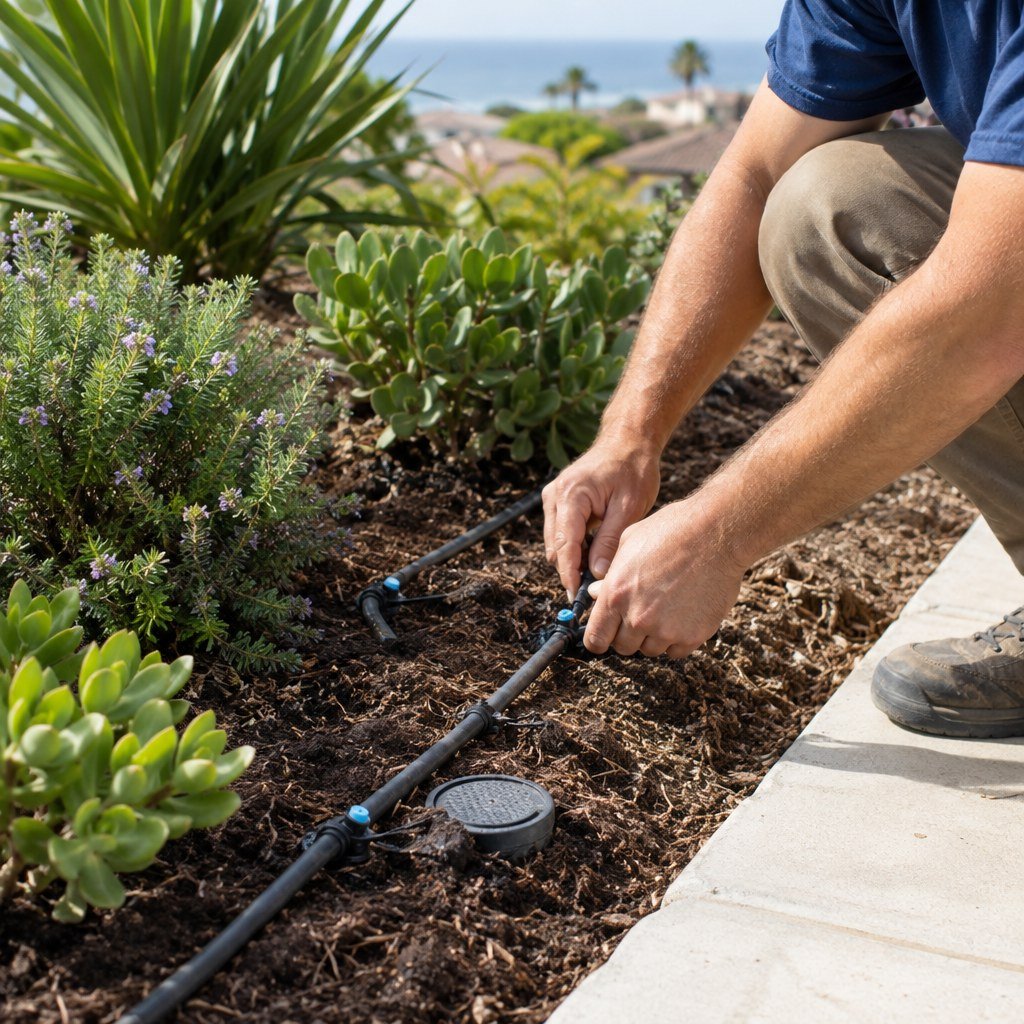
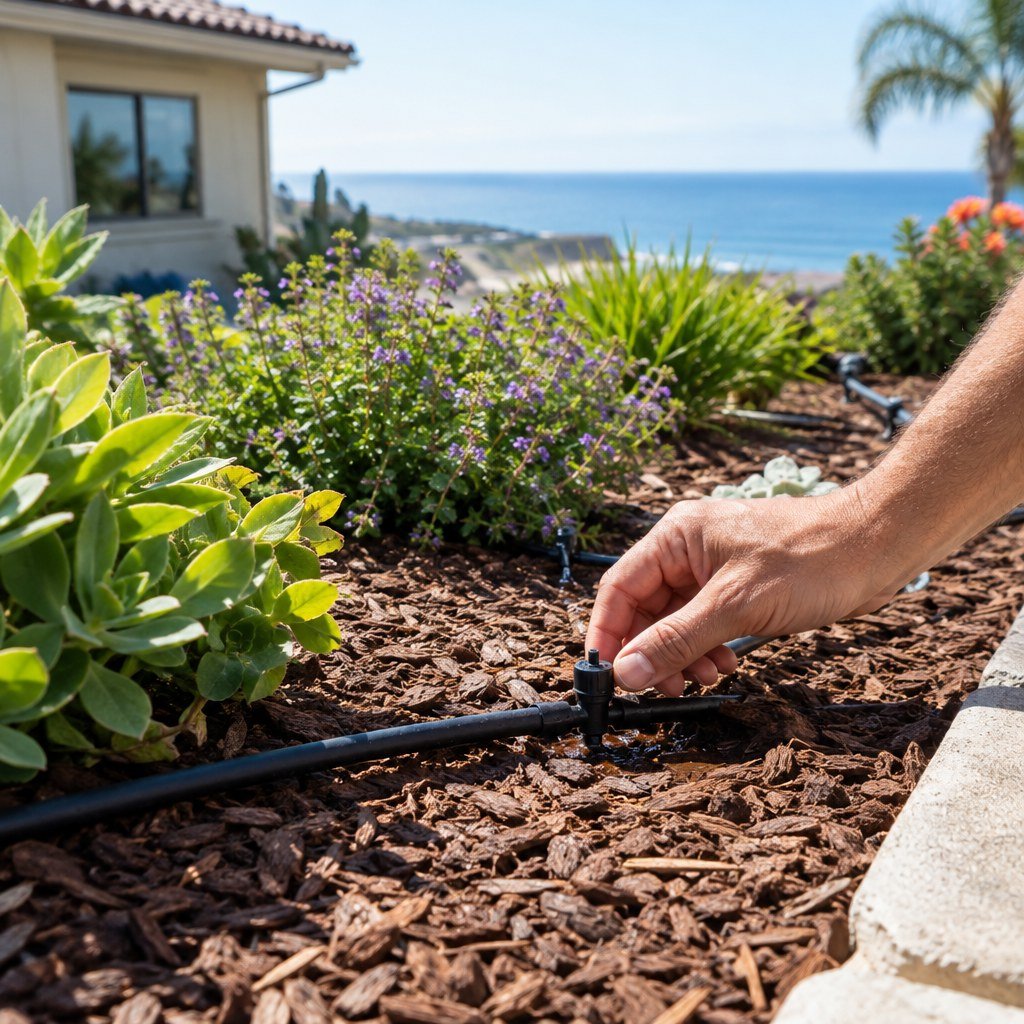
| Drip irrigation | Planting beds, shrubs, and trees | Delivers water near the root zone; layout should allow access for flushing and repairs. |
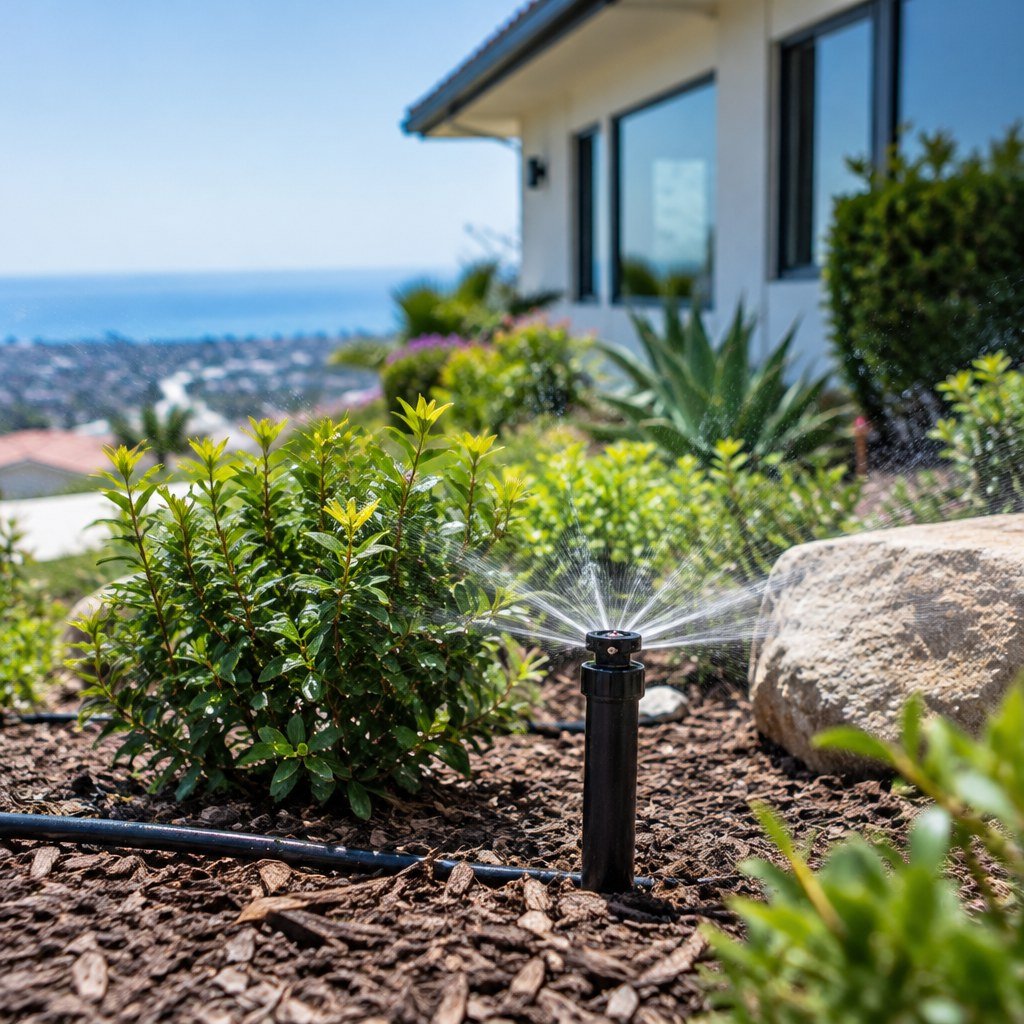
| Spray or rotor heads | Open lawn areas | Head spacing and pressure need to provide even coverage without overspray onto walks or walls. |
| Mixed zones | Yards with lawn and planting beds | Separate zones help match watering method and schedule to each area. |
Drip and spray should generally be scheduled separately because they apply water differently. A single zone that mixes them can leave some areas too wet and others too dry. For lawns, confirm the head layout and expected pressure; for beds, plan tubing so plants can be changed without making the system difficult to maintain.

What factors change irrigation installation cost?
- Number of zones. Each zone needs valves, piping, control wiring, and a compatible schedule. The zone count depends on area, water pressure, flow, and plant needs.
- Trenching and access. Installing lines under existing paving, around roots, or through narrow side yards can add labor and patching.
- Controller and sensors. A basic timer and a weather-based smart controller have different equipment costs. Confirm app access, sensor compatibility, and programming are included.
- Water supply and pressure. A system may need pressure regulation, a backflow device, a filter for drip lines, or other components suited to the site.
- Landscape restoration. Replacing mulch, turf, planting, edging, or pavers disturbed by trenching may be excluded from an irrigation-only estimate.
- System condition. Reusing an old main line or valves may lower initial work but can create reliability issues if those parts are already worn.
How should I plan irrigation zones?
Start with the landscape plan, not the controller. Group areas with similar sun exposure, plant type, soil, and watering needs. A shaded bed, a sunny lawn, and mature trees do not necessarily need the same frequency or duration.
- Mark lawn, planting beds, trees, slopes, and paved areas on a simple sketch.
- Note which areas get morning sun, afternoon sun, or shade.
- Decide whether turf will remain or be replaced, so you do not pay to irrigate an area scheduled for demolition.
- Ask how the installer will avoid runoff onto sidewalks, driveways, and storm drains.
- Request a zone map and controller instructions when the work is complete.
Planning irrigation alongside a yard redesign can reduce duplicated digging and repair. See the site’s San Diego landscaping cost guide, low-maintenance backyard ideas, and French drain installation guide if drainage is also part of the project.
Are irrigation rebates available?
Some programs may help with eligible weather-based irrigation controllers or landscape changes, but funding and rules can change. The City of San Diego’s water-conservation rebates page points residents to the current controller-rebate program administered by the Metropolitan Water District. Check eligibility, participating products, and available funding before buying equipment; do not assume a rebate is guaranteed.
What should an irrigation estimate include?
Ask for a drawing or zone map, number of zones, pipe and emitter/head type, controller model, valve and backflow details, trenching route, connection work, pressure testing, programming, cleanup, restoration, and warranty. Make sure the quote identifies exclusions such as new sod, planting, paving repair, or water-service upgrades.
If two estimates use different zone counts or omit different restoration work, compare those scope differences before comparing totals. For adjacent work such as patio lighting or drainage, coordinate trench routes before hardscape is installed.
Common questions
Is drip irrigation always cheaper than sprinklers?
Not necessarily. Cost depends on the area, layout, number of zones, filters and pressure regulation, and whether the system is new or a retrofit. Drip is often suited to beds; spray and rotor heads are commonly used for lawn coverage.
Can a smart controller reduce water use?
A controller can adjust schedules using weather or soil information, but it still needs correct zones, functioning equipment, and appropriate settings. Ask whether programming and homeowner orientation are included.
Should irrigation be installed before new pavers or turf?
Plan the irrigation layout before the finished surface goes in. It is generally easier to route or adjust lines before paving, edging, or turf installation.
Build the irrigation plan around the yard you want
Decide which areas need water, whether lawn will remain, and what landscape work is planned next. Then ask for a zone-by-zone estimate that includes testing and restoration. To review a yard project in person, schedule an appointment for a free project estimate. A written estimate is prepared after a meeting about the property and scope, not through an instant online quote.
Ranges are broad planning estimates summarized from published local and regional cost information reviewed October 2026; they are not based on an original project dataset or a site-specific quote. Program details and permit requirements can change. Verify them before work or purchases.